Fire Risk Assessments for Blocks of Flats
Fire risk Assessments for blocks of flats
Fire risk assessments for blocks of flats are an essential part of managing fire safety within residential building. If you are responsible for a block of flats, you have legal duties to ensure the building is managed and maintained in a manner that protects relevant persons from the risks of fire. Whether you manage a purpose-built apartment block, converted flats, social housing accommodation or a mixed-use residential building, a suitable and sufficient fire risk assessment is an important part of demonstrating compliance with fire safety legislation and identifying measures necessary to safeguard occupants and visitors.
JBR Fire Compliance provides professional fire risk assessments for blocks of flats, apartment buildings and other residential developments. We work with managing agents, freeholders, property management companies, housing providers and landlords to help ensure fire safety risks are properly identified and managed.
Residential fire risk assessments require consideration of a wide range of factors beyond those commonly found in commercial premises. From flat entrance doors and compartmentation to communal escape routes and fire safety management arrangements, it is essential that fire precautions are regularly reviewed and maintained.
Our assessments provide clear findings, practical recommendations and ongoing support to help managing agents, landlords and freeholders effectively manage fire safety risks within residential buildings.
Do Blocks of Flats Require a Fire Risk Assessment
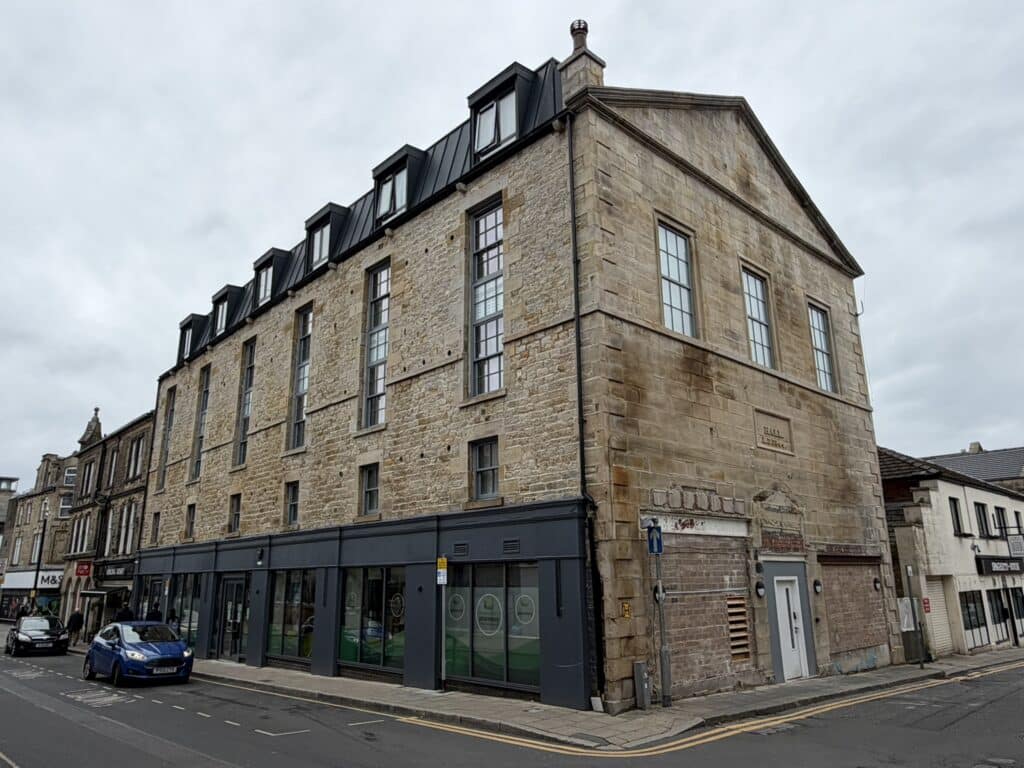
Yes, The Regulatory Reform (Fire Safety) Order 2005 requires the responsible person to assess and manage fire risks within the common parts, external fabric and internal fire doors of a residential building. Following the introduction of the Fire Safety Act 2021, the scope of assessments was clarified to includes elements such as external walls, flat entrance doors and other structures that may contribute to the spread of fire.
What areas are covered during a fire risk assessment?
- Communal corridors and escape routes
- Stairwells and final exits
- Fire doors
- Emergency Lighting
- Fire alarm and detection systems
- Fire-fighting equipment
- Wayfinding signage
To ensure a protected escape route is available to all occupants and that fire safety measures support the building’s evacuation strategy.

Types of Fire Risk Assessments for Blocks of Flats
Fire risk assessments for blocks of flats can vary significantly in scope. The level of inspection required will depend upon the building, its construction, its history and the objectives of the survey. Whilst most residential buildings are assessed using a Type 1 assessment, more intrusive assessments may be recommended where concerns exist regarding compartmentation or concealed fire protection measures.
- Type 1 - Inspection of the communal areas, external walls and flat entrance doors - without any destructive sampling
- Type 2 - Includes limited destructive inspection within the common parts to verify concelaed fire stopping and compartmentation.
- Type 3 - Extends the assessment to include a sample of residential dwellings in addition to the common areas, without destructive sampling.
- Type 4 -The most intrusive assessment type, involving destructive inspection within both common parts and residential dwellings.
Understanding Evacuation Strategies in Blocks of Flats
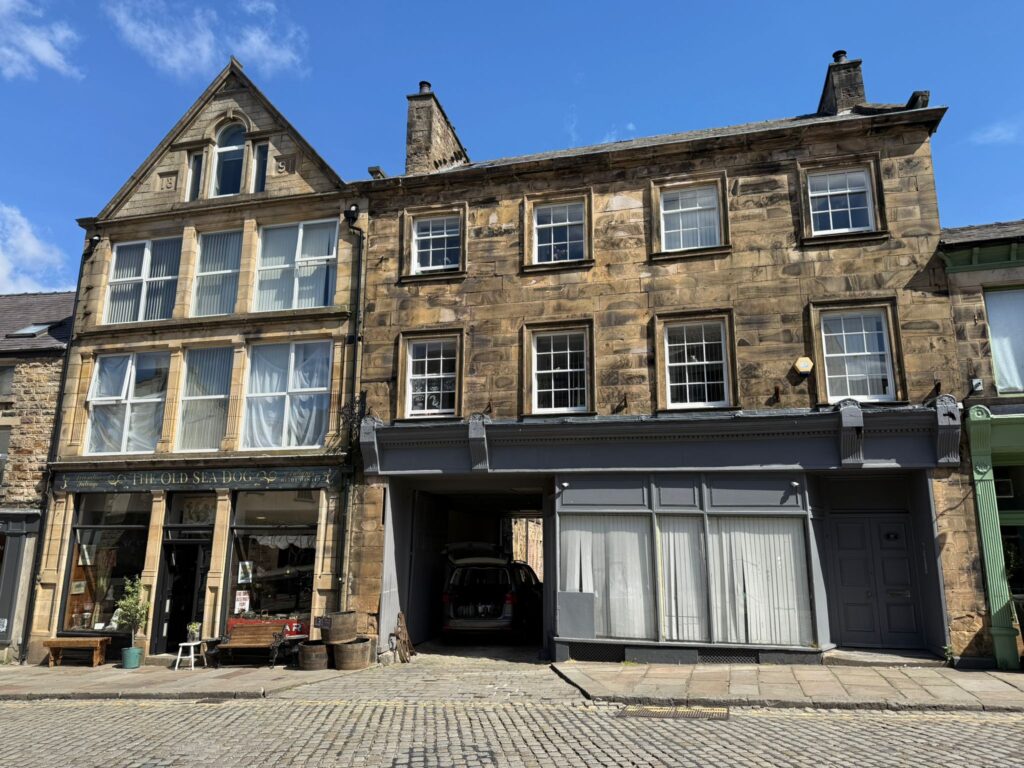
The evacuation strategy adopted within a block of flats is a fundamental consideration when assessing fire safety arrangements. The suitability of any strategy will depend upon the building’s design, construction, level of compartmentation and the fire safety measures present throughout the premises.
- Stay Put: A stay put strategy is commonly adopted within purpose-built blocks of flats where each flat is designed to act as a fire-resisting compartment. In the event of a fire within a neighbouring dwelling, residents who are not directly affected are normally expected to remain within their own flat unless instructed otherwise by the Fire and Rescue Service.
- Simultaneous Evacuation: Under a simultaneous evacuation strategy, all occupants are expected to evacuate the building immediately upon activation of the fire alarm system. This approach is more commonly found within converted residential buildings, properties where compartmentation standards are uncertain, or buildings where significant fire safety deficiencies have been identified.
- Phased Evacuation: In larger or more complex buildings, a phased evacuation strategy may be adopted. This involves evacuating occupants in a controlled sequence rather than requiring everyone to leave simultaneously. These arrangements typically rely upon fire detection and warning systems, effective management procedures and clear communication with occupants to ensure a safe evacuation can be achieved.
Common Fire Safety Issues Found in Blocks of Flats
Fire risk assessments within blocks of flats often identify recurring issues that can affect the safety of residents, visitors and others who may use the building. These issues can vary depending on the age, design, construction and management arrangements of the premises.
- Fire doors
- Compartmentation
- Emergency Lighting
- Fire alarm systems
- Housekeeping
- Fire Safety Records
- Resident engagement and information

Who is Responsible for fire safety in a block of flats?
Responsibility for fire safety within a block of flats may be shared between freeholders, managing agents, landlords and other duty holders, depending on the ownership and management structure of the building. Clear allocation of responsibilities is essential to ensure fire safety measures are properly maintained and residents remain protected.
Fire safety duties can also vary according to the height of the building. Residential buildings over 11 metres are subject to additional requirements, including resident fire safety information and routine inspections of communal fire doors. Buildings over 18 metres in height, or seven storeys and above, are subject to further fire safety management requirements.
As part of the assessment process, JBR Fire Compliance considers the building’s height, layout, fire protection measures and management arrangements to ensure the fire risk assessment reflects the specific risks and statutory duties applicable to the property.

What You Will Receive Following The Assessment
Following completion of the fire risk assessment, a comprehensive report will be provided detailing the findings of the inspection, the fire hazards identified and the existing fire safety measures present within the building. Where deficiencies are identified, practical recommendations will be provided and prioritised according to the level of risk posed.
Reports are designed to provide responsible persons, managing agents, freeholders and landlords with a clear understanding of the building’s fire safety arrangements and any improvements required. JBR Fire Compliance remains available to provide ongoing advice and support following completion of the assessment, helping clients effectively manage fire safety risks and maintain compliance with relevant legislation.

Areas We Cover
JBR Fire Compliance provides Fire Risk Assessments for Blocks of Flats across Lancashire, Cumbria, Greater Manchester, Liverpool and the wider North West. We support responsible persons, landlords, managing agents, housing providers and commercial organisations with practical inspection reports, asset registers and clear recommendations where defects are identified.
Frequently Asked Questions
Managing agents, landlords and freeholders often have questions regarding fire risk assessments and their responsibilities within residential buildings. Below are answers to some of the most common questions we receive relating to fire risk assessments for blocks of flats, fire safety management and legal compliance.
How often should a fire risk assessment for a block of flats be reviewed?
Fire risk assessments should be reviewed at regular intervals and whenever significant changes occur within the building. This can include changes to the occupancy, changes to management or following a fire-related incident. Regular reviews ensure that the assessment remains relevant and legal compliance is met.
Who is responsible for arranging a fire risk assessment?
Responsibility will depend upon the ownership and management structure of the building. This may include freeholders, managing agents, resident management companies, housing associations or other persons with control over the common parts of the premises.
Do fire risk assessment include door inspections?
Yes, in many cases. Fire doors form a critical part of a building’s fire safety strategy and are often considered during a fire risk assessment. Within blocks of flats, this may include communal fire doors and flat entrance doors where they fall within the scope of the assessment. The Fire Safety (England) Regulations 2022 introduced additional requirements for the inspection of flat entrance doors and communal fire doors in certain residential buildings. Where a more detailed assessment of fire doors is required, a dedicated fire door inspection may also be recommended.
Will access to the flats be required?
Most assessments are completed as a Type 1 fire risk assessment and focus on the common areas of the building. However, other assessment types may include inspections within a sample of residential dwellings where appropriate.
How long does a fire risk assessment take?
The duration of a fire risk assessment will depend upon the size of the building and the scope of the survey. Following an initial discussion regarding your premises and requirements, JBR Fire Compliance can provide advice on the anticipated timescale and level of assessment that may be required.
Do small blocks of flats still require a Fire Risk Assessment?
Yes, the size of the building does not remove the requirement to carry out a fire risk assessment. If the fire safety order applies, the responsible person is required to carry out a suitable and sufficient fire risk assessment.
Arrange a Fire Risk Assessment for Your Block of Flats
Whether you manage a small converted property, a purpose-built apartment block or a large residential development, JBR Fire Compliance can provide a suitable and sufficient fire risk assessment tailored to your building. Contact us today 01524 932013 to discuss your requirements and obtain a quotation.