
Top 10 Fire Safety Issues Found In Lancashire Residential Buildings.
Residential fire safety issues are frequently identified during Fire Risk Assessments within blocks of flats, converted properties, HMOs and residential buildings. While many buildings are generally well maintained, seemingly minor deficiencies can significantly increase the risk to occupants in the event of a fire.
At JBR Fire Compliance Ltd, we regularly assess residential properties throughout Lancashire, Cumbria and the North West. Below are ten of the most common fire safety issues encountered during fire risk assessments and why they matter.
Common Residential Fire Safety Issues Identified During Fire Risk Assessments
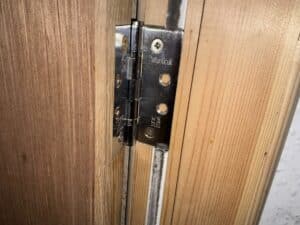
1. Defective Fire Doors
Fire doors are one of the most important fire safety features within a residential building. Their purpose is to hold back fire and smoke, protecting escape routes and limiting fire spread.
Common issues include:
- Missing intumescent strips or smoke seals
- Damaged door leaves or frames
- Excessive gaps around the door
- Defective self-closing devices
- Doors wedged open
A poorly maintained fire door may fail within minutes of a fire starting, allowing smoke and fire to spread into escape routes.
2. Inadequate Compartmentation
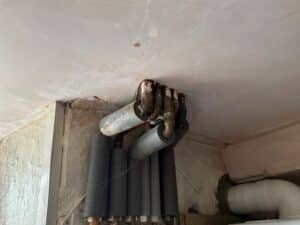
Compartmentation refers to the fire-resisting walls, floors and ceilings that divide a building into separate fire compartments.
Common defects include:
- Unsealed service penetrations
- Holes in walls or ceilings
- Inadequate fire stopping around pipes and cables
- Alterations carried out without suitable fire protection
Many older buildings in Lancashire have been altered repeatedly over the years, often leaving hidden defects that compromise the original fire protection.
3. Missing or Inadequate Smoke Detection
Early warning saves lives.
Within residential properties, smoke detection may be absent, incorrectly installed or poorly maintained. In some older conversions, detection systems do not meet modern recommendations.
Appropriate smoke detection should provide occupants with sufficient warning to escape before conditions become life threatening.
4. Final Exit Doors Requiring Keys
A surprisingly common issue involves final exit doors that require occupants to locate a key before they can leave the building.
During an emergency:
- Panic can occur
- Visibility may be reduced due to smoke
- Occupants may be unfamiliar with the building
Final exits should generally be capable of being opened immediately without the use of a key, code or specialist knowledge.
5. Emergency Lighting Deficiencies
Emergency lighting helps occupants identify escape routes if the normal electrical supply fails.
Common issues include:
- No emergency lighting installed
- Inoperative fittings
- Missing maintenance records
- Inadequate coverage of stairways and changes in level
This issue is particularly common within older converted residential buildings where common areas were not originally designed to contemporary standards.
6. Poor Fire Safety Management in Residential Premises
Fire safety extends beyond physical precautions.
Common management issues include:
- Unclear responsibilities
- Lack of fire safety procedures
- Failure to address known defects
- Poor communication between leaseholders and managing agents
The effectiveness of any fire safety strategy depends upon suitable management arrangements being in place.
7. Inadequate Record Keeping
Responsible Persons are expected to demonstrate that fire safety measures are being properly managed.
Frequently missing records include:
- Fire door inspections
- Emergency lighting maintenance
- Fire alarm servicing
- Fire risk assessment reviews
- Contractor reports
If records cannot be produced, it may be difficult to demonstrate ongoing compliance with fire safety legislation.
8. Obstructed Escape Routes in Residential Buildings
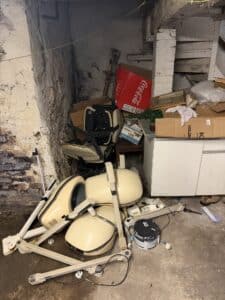
Escape routes should remain clear and available for use at all times.
Common obstructions include:
- Bicycles
- Pushchairs
- Household storage
- Furniture
- Waste materials
Items stored within communal corridors may increase both fire loading and evacuation difficulties.
9. Inadequate Information Sharing
Many residential buildings involve multiple parties with fire safety responsibilities.
These may include:
- Freeholders
- Managing agents
- Residents’ management companies
- Leaseholders
- Contractors
Where these parties fail to cooperate and coordinate, important fire safety matters can be overlooked.
10. Failure to Review Fire Risk Assessments
A fire risk assessment should not be regarded as a one-off exercise.
Reviews should be undertaken when:
- Significant alterations occur
- Occupancy changes
- Fire incidents occur
- New risks are identified
- Periodic reviews become due
An out-of-date fire risk assessment may no longer accurately reflect the fire risks present within the building.
How to Address Residential Fire Safety Issues
Many of the issues identified during fire risk assessments are relatively straightforward to address when identified early.
Key steps include:
- Arranging regular fire risk assessments
- Implementing recommendations promptly
- Maintaining fire doors
- Recording inspections and maintenance
- Monitoring communal areas
- Ensuring suitable communication between all responsible parties
A proactive approach to fire safety can significantly reduce risk while assisting with compliance under the Regulatory Reform (Fire Safety) Order 2005.
Why Residential Fire Safety Issues Matter
Residential fire safety issues rarely exist in isolation. During many fire risk assessments, multiple deficiencies are often identified within the same building. Defective fire doors, inadequate compartmentation and poor fire safety management can combine to significantly increase risk to occupants if left unaddressed.
Fire Risk Assessments in Lancashire
JBR Fire Compliance Ltd provides professional fire risk assessments throughout Lancaster, Morecambe, Preston, Blackpool, Blackburn, Burnley, Kendal, Barrow-in-Furness and across Lancashire and Cumbria.
Whether you manage a block of flats, an HMO, serviced accommodation, holiday park or commercial premises, we can provide practical and proportionate fire safety advice tailored to your building.
Need a Fire Risk Assessment in Lancashire?
Contact JBR Fire Compliance Ltd to discuss your requirements and arrange a professional fire risk assessment by an experienced fire safety consultant.